
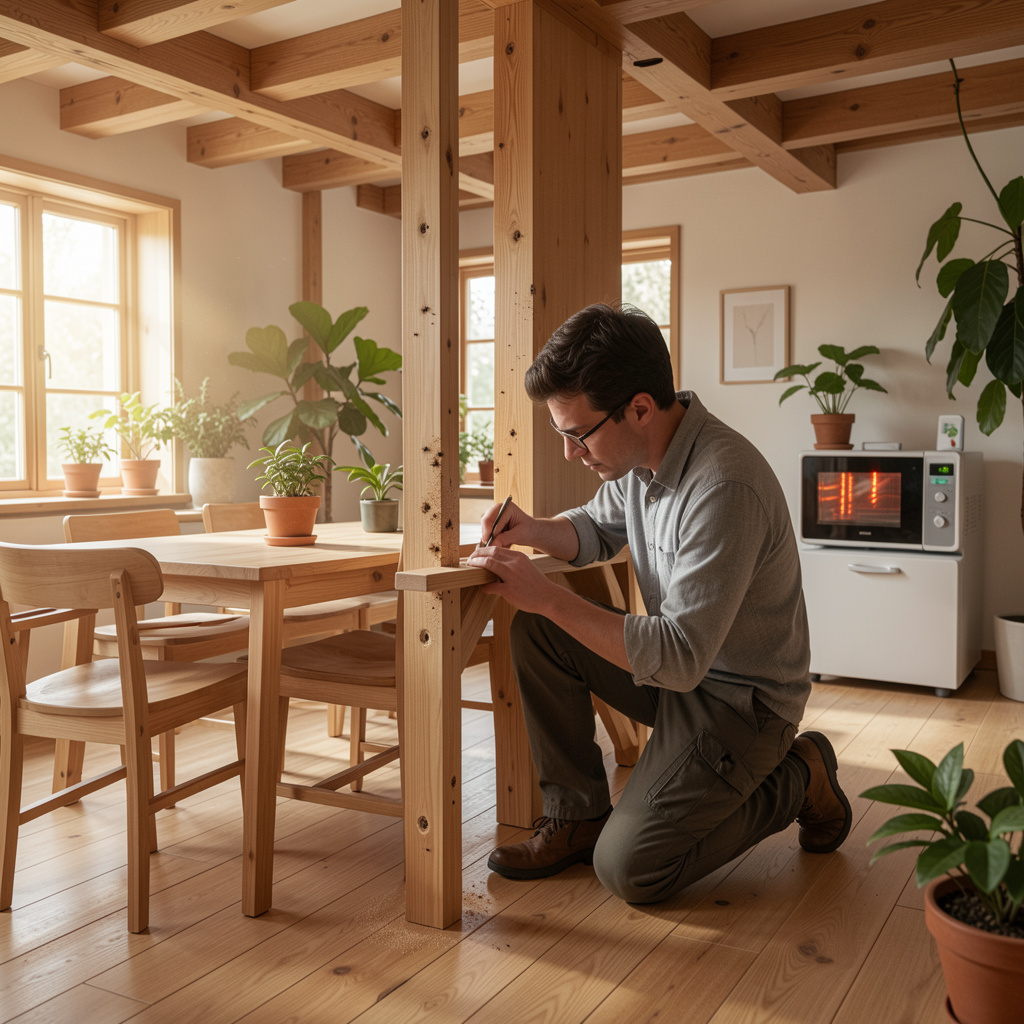
Woodworm infestation is one of the most common problems affecting wooden homes, furniture, flooring, and structural timber. Many homeowners first notice woodworm after spotting tiny holes in wood, powdery dust, or weakened furniture. However, by the time visible signs appear, the infestation may already be well established.
Despite the name, woodworm is not actually a worm. The term refers to the larvae of wood-boring beetles that tunnel through wood and feed on timber from the inside. These pests often remain hidden for years, quietly damaging furniture, roof beams, floorboards, and structural supports.
One of the best ways to prevent woodworm damage is understanding what causes infestations in the first place. Knowing the conditions that attract wood-boring beetles can help homeowners take early preventive measures and protect their property from expensive repairs.
Many property owners researching wood protection and pest prevention through shashel.eu often want to understand why woodworm appears in homes and what environmental conditions encourage infestations.
In this article, we will explain the most common causes of woodworm infestation in homes, warning signs to watch for, and practical ways to reduce the risk.
What Is Woodworm?
Before discussing causes, it is important to understand what woodworm actually is.
Woodworm refers to the larvae of wood-boring beetles. Adult beetles lay eggs on wooden surfaces, cracks, or untreated timber. Once the eggs hatch, larvae burrow deep into the wood and begin feeding.
Over time, this feeding creates internal tunnels that weaken timber structures.
Eventually, mature beetles emerge from the wood, leaving behind small holes that often alert homeowners to the problem.
Woodworm commonly affects:
- Wooden furniture
- Floorboards
- Roof timbers
- Doors and windows
- Wooden beams
- Antique furniture
Because larvae live hidden inside timber, infestations often go unnoticed for years.
Damp and Moisture: The Biggest Cause of Woodworm
One of the most common causes of woodworm infestation is damp wood.
Wood-boring beetles prefer timber with higher moisture content because damp wood becomes softer and easier for larvae to penetrate and feed on.
Why Moisture Attracts Woodworm
Damp conditions make timber:
- Softer
- Easier to tunnel through
- More suitable for egg laying
Moisture also encourages fungal decay, which can further weaken wood and make infestation worse.
Common Sources of Moisture
Homeowners should watch for:
- Roof leaks
- Pipe leaks
- Condensation
- Rising damp
- Poor drainage
Unchecked moisture problems significantly increase woodworm risk.
Poor Ventilation
Poor airflow inside a property can create humid conditions that attract wood-boring beetles.
Areas with limited ventilation often trap moisture, making timber vulnerable.
High-Risk Areas
Poor ventilation commonly affects:
- Attics
- Basements
- Crawl spaces
- Storage rooms
These dark, humid environments create ideal conditions for infestation.
Why Ventilation Matters
Good airflow helps:
- Reduce humidity
- Keep timber dry
- Prevent dampness buildup
Simple ventilation improvements can significantly lower infestation risk.
Untreated Timber
Wood that has not been treated or protected is much easier for beetles to attack.
Protective coatings and preservatives help create a barrier against infestation.
Why Untreated Wood Is Vulnerable
Untreated timber often has:
- Exposed surfaces
- Cracks and openings
- No protective chemicals
This makes it easier for beetles to lay eggs.
Common Vulnerable Areas
Untreated wood is often found in:
- Furniture
- Roof beams
- Outdoor wooden structures
- Decorative timber
Applying proper wood treatment reduces long-term risk.
Old Wooden Furniture and Antique Pieces
Older wooden items are often more susceptible to woodworm.
As wood ages, small cracks and weaknesses develop, creating ideal spaces for beetles to lay eggs.
High-Risk Furniture
Woodworm frequently affects:
- Antique cabinets
- Wooden tables
- Vintage chairs
- Decorative wooden items
Second-hand furniture may also unknowingly carry infestation into the home.
Prevention Tip
Always inspect used furniture carefully before bringing it indoors.
Bringing Infested Furniture into the Home
One overlooked cause of woodworm infestation is buying or receiving infested furniture.
Second-hand furniture, antiques, or reclaimed timber may already contain hidden larvae.
Warning Signs to Check
Before purchasing wooden items, inspect for:
- Tiny holes
- Fine wood dust
- Weak timber
- Surface cracks
Early inspection helps prevent introducing infestation into the home.
Structural Timber Exposure
Roof beams and structural timber are particularly vulnerable if left exposed to moisture or untreated conditions.
Why Structural Timber Attracts Woodworm
Large wooden beams often:
- Retain moisture
- Remain undisturbed for years
- Develop cracks over time
This makes them attractive nesting areas.
Regular roof inspections are important for prevention.
Seasonal Beetle Activity
Wood-boring beetles become more active during warmer months.
Spring and summer often bring increased beetle movement and egg laying.
Why Seasons Matter
Warmer weather encourages:
- Beetle reproduction
- Egg laying
- Increased pest activity
Homeowners should inspect timber more carefully during these seasons.
Poor Home Maintenance
Neglected maintenance can indirectly encourage woodworm infestation.
Common Problems
- Ignoring leaks
- Delaying repairs
- Poor ventilation upkeep
- Unchecked moisture
Small maintenance issues often create conditions where woodworm thrives.
Consistent upkeep reduces long-term risk.
Cracks and Gaps in Wood
Beetles often lay eggs inside cracks or openings in timber.
Over time, wood naturally expands, contracts, and develops small gaps.
Common Problem Areas
- Furniture joints
- Window frames
- Roof beams
- Wooden flooring
Sealing vulnerable areas can help discourage egg laying.
Wood Stored in Damp Conditions
Improper storage creates another major risk.
Wood stored in humid or poorly ventilated environments becomes vulnerable.
High-Risk Storage Spaces
- Damp garages
- Basements
- Outdoor sheds
Stored wood should remain dry and elevated where possible.
Previous Infestation History
Homes with past woodworm problems may face a higher chance of reinfestation.
If root causes are not solved, beetles may return.
Common Reasons for Reinfestation
- Dampness remains untreated
- Old damaged wood stays in place
- Prevention methods are ignored
Long-term maintenance is essential.
Climate and Environmental Conditions
Certain climates naturally increase infestation risk.
Warm and humid environments tend to support beetle activity more easily.
Environmental Factors
- Humidity
- Rain exposure
- Poor drainage
Weather conditions can affect timber vulnerability.
Signs That Woodworm Has Already Started
Understanding causes helps, but recognizing early signs is equally important.
Small Round Holes
Tiny exit holes often signal infestation.
Powdery Dust
Fresh wood dust usually indicates active larvae.
Weak Timber
Wood may feel brittle or soft.
Beetles Around Windows
Adult beetles may appear near light sources.
Surface Cracks
Cracks can reveal hidden internal damage.
Early detection makes treatment easier and cheaper.
How to Prevent Woodworm Infestation
Prevention is far easier than dealing with major structural damage.
Keep Timber Dry
Dry wood is less attractive to beetles.
Fix Leaks Quickly
Repair roof and plumbing issues immediately.
Improve Ventilation
Increase airflow in humid areas.
Treat Wood Regularly
Apply protective preservatives when needed.
Inspect Furniture
Check wooden items regularly for warning signs.
Be Careful with Second-Hand Furniture
Inspect carefully before bringing it home.
These steps greatly reduce infestation risk.
When to Seek Professional Help
Professional assessment may be necessary if:
- Structural timber is affected
- Damage appears widespread
- You suspect hidden infestation
- Treatment attempts fail
Experts can confirm active infestation and recommend solutions.
Conclusion
Woodworm infestation often develops because of conditions that make timber vulnerable, especially moisture, poor ventilation, untreated wood, and aging furniture. While wood-boring beetles may seem like a small problem at first, they can quietly cause serious damage if ignored.
Understanding what causes woodworm infestation helps homeowners take preventive action before major damage occurs. Fixing leaks, improving ventilation, protecting timber, and inspecting wooden furniture regularly are some of the best ways to reduce risk.











Leave a Reply