
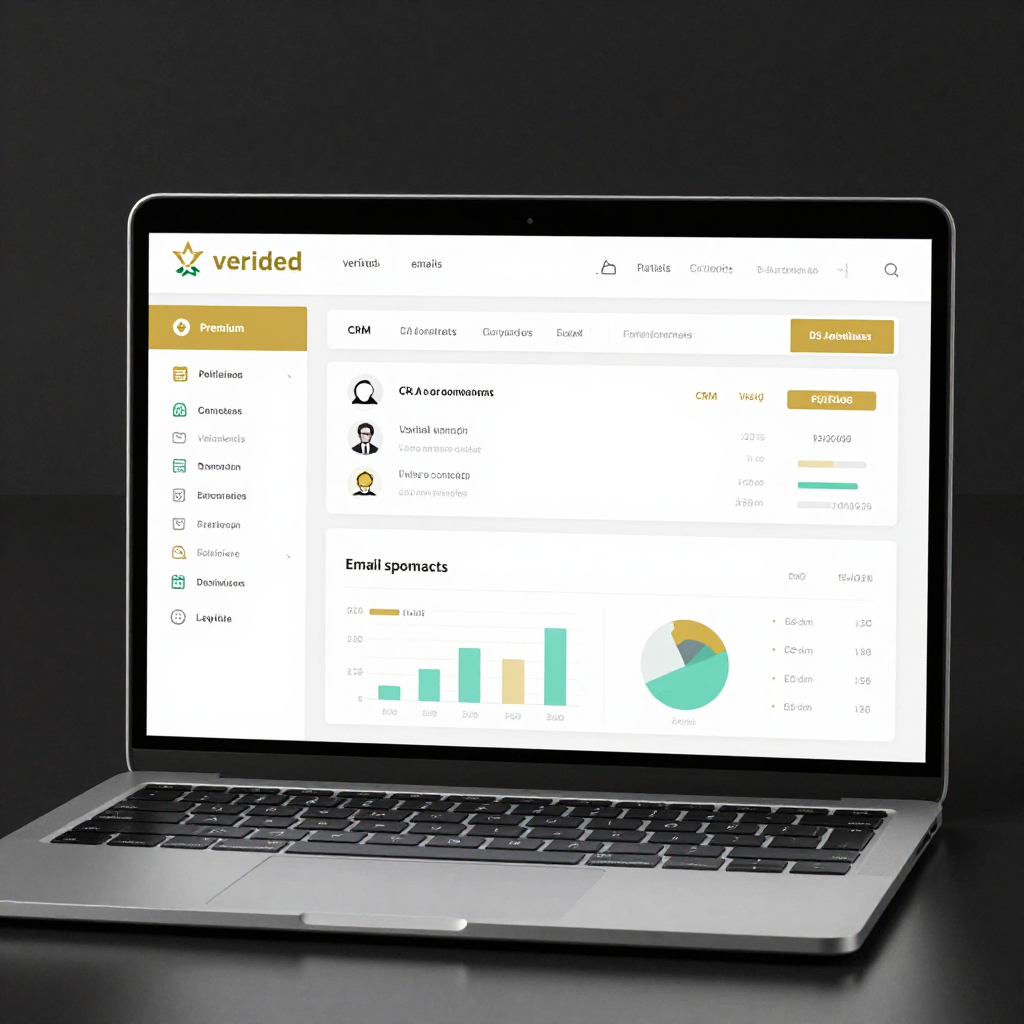
Finding business emails is one of the most important steps in lead generation, sales prospecting, and digital marketing. Whether you run an SEO agency, web design business, local marketing company, or sales outreach campaign, connecting with the right businesses often starts with having accurate contact information.
However, manually searching for business emails can be slow and frustrating. Visiting websites one by one, checking contact pages, and organizing information into spreadsheets takes a lot of time and effort. Even after spending hours researching, you may still end up with incomplete or outdated contact details.
This is where the Outscraper Email Extractor becomes highly useful. It helps businesses collect publicly available business emails quickly and efficiently, making lead generation faster and more organized. Instead of manual prospecting, users can automate the process and focus more on outreach and conversions.
In this guide, you will learn how to use Outscraper Email Extractor to find business emails, improve lead quality, and create better outreach campaigns.
What Is Outscraper Email Extractor?
The Outscraper Email Extractor is a tool designed to help users collect publicly available business email addresses from websites and business listings.
Its purpose is to simplify lead generation by automating email discovery.
Instead of manually researching businesses, users can gather contact information in bulk and organize leads more efficiently.
The extracted information may include:
- Business email addresses
- Company names
- Website URLs
- Phone numbers
- Business locations
- Categories and industries
- Social media profiles
This information becomes valuable for businesses looking to improve:
- Sales prospecting
- SEO outreach
- Lead generation
- Email marketing
- Local business targeting
For agencies and marketers, it can save hours of manual research.
Why Business Emails Matter
Business emails remain one of the most effective ways to communicate with potential clients.
Unlike social media messages, email communication often feels more professional and direct.
Having accurate business emails helps businesses:
Reach Decision-Makers
Many businesses actively monitor company email inboxes for partnerships, inquiries, and service opportunities.
Improve Outreach Results
Relevant business emails often improve reply rates and conversions.
Save Marketing Costs
Email outreach is often more affordable compared to paid advertising campaigns.
Build Professional Relationships
Cold outreach can turn into long-term business relationships when approached correctly.
This makes business email collection highly valuable for agencies and service providers.
Step 1: Define Your Target Audience
Before extracting emails, you should clearly define who you want to contact.
This step is critical.
Many beginners fail because they target random businesses.
Instead, focus on industries related to your services.
For example:
If You Offer SEO Services
Target businesses with:
- Weak online visibility
- Poor website optimization
- Limited Google reviews
- Weak local rankings
Industries may include:
- Dentists
- Restaurants
- Lawyers
- Roofing companies
- Contractors
If You Offer Website Design
Target businesses with:
- Outdated websites
- Slow performance
- Poor mobile design
If You Offer Reputation Management
Focus on businesses with:
- Poor ratings
- Negative reviews
- Weak online reputation
The more specific your audience becomes, the better your lead quality.
Step 2: Choose a Specific Industry
One of the best ways to improve business email quality is niche targeting.
Avoid broad searches.
Instead of:
“Businesses in Texas”
Try:
“Dentists in Houston”
Or:
“Restaurants in Dallas”
Industry-specific targeting improves relevance.
It also helps create more personalized outreach campaigns.
Businesses are more likely to respond when your message feels relevant to their industry.
Step 3: Select a Location
Location targeting is especially important for local lead generation.
Businesses often depend heavily on nearby customers.
Examples include:
- Dentists in Los Angeles
- Roofing companies in Houston
- Realtors in Miami
- Restaurants in Chicago
Targeting businesses in specific cities helps improve campaign relevance.
Local businesses are often easier to convert because online visibility directly impacts revenue.
The more focused your targeting becomes, the stronger your lead list.
Step 4: Extract Business Emails
Once your industry and location are selected, the Outscraper Email Extractor gathers publicly available business contact information.
The extracted data may include:
- Business emails
- Company names
- Websites
- Phone numbers
- Contact information
Instead of spending hours manually visiting websites, automation simplifies the process.
What normally takes days can often be completed much faster.
This gives businesses more time to focus on sales and outreach.
Step 5: Clean and Organize Your Email List
Raw data should never be used immediately.
Many extracted lists contain:
- Duplicate emails
- Missing contact details
- Closed businesses
- Irrelevant companies
- Low-quality leads
Cleaning your list improves campaign quality.
Remove anything that does not match your target audience.
A clean list of qualified leads usually performs much better than thousands of random contacts.
You can also organize leads based on:
- Industry
- Location
- Website quality
- Service opportunities
Organization makes outreach easier and more effective.
Step 6: Verify Email Accuracy
Email verification is extremely important.
Not every extracted email address will remain active.
Before launching outreach campaigns, verify emails to improve accuracy.
Verification helps:
- Reduce bounce rates
- Improve deliverability
- Protect sender reputation
- Increase campaign performance
Skipping this step often leads to poor outreach results.
A verified email list always performs better.
Step 7: Personalize Your Outreach
Finding business emails is only part of the process.
Success depends on how you contact prospects.
Avoid generic outreach.
Instead of saying:
“We provide marketing services.”
Try:
“We noticed your roofing business could improve local visibility and attract more nearby customers.”
Personalized outreach feels more professional.
It also improves response rates significantly.
Businesses respond better when messages address real opportunities.
Best Practices for Finding Business Emails
To maximize results:
Focus on Relevant Niches
Avoid broad targeting.
Choose industries matching your expertise.
Prioritize Businesses with Websites
Established businesses often respond better.
Verify Emails Before Outreach
Always clean your contact list.
Segment Leads
Organize businesses based on needs and categories.
Keep Data Updated
Business contact information changes over time.
Refresh lists regularly.
Following these practices improves lead quality.
Common Mistakes to Avoid
Many marketers reduce success because of simple mistakes.
Targeting Too Broadly
Generic targeting lowers conversions.
Ignoring Data Cleaning
Messy lists hurt outreach performance.
Skipping Verification
Invalid emails damage deliverability.
Sending Generic Emails
Copy-paste messages usually fail.
Prioritizing Quantity Over Quality
Smaller targeted lists usually perform better.
Avoiding these mistakes improves outreach significantly.
Benefits of Using Outscraper Email Extractor
Businesses choose Outscraper Email Extractor because it offers major advantages.
Faster Email Discovery
Collect business emails quickly.
Better Lead Quality
Target specific industries and locations.
More Efficient Outreach
Spend less time researching.
Scalable Prospecting
Expand campaigns easily.
Higher Conversion Potential
Better targeting improves results.
For agencies and marketers, these benefits create stronger business growth opportunities.
Conclusion
Using outscraper.com Email Extractor to find business emails is one of the smartest ways to improve lead generation and outreach efficiency. Instead of wasting time manually searching for contacts, businesses can automate the process and build highly targeted lead lists faster.
However, success comes from strategy—not simply collecting emails. Businesses that focus on niche targeting, location-based searches, email verification, list cleaning, and personalized outreach consistently generate better results.








Leave a Reply