
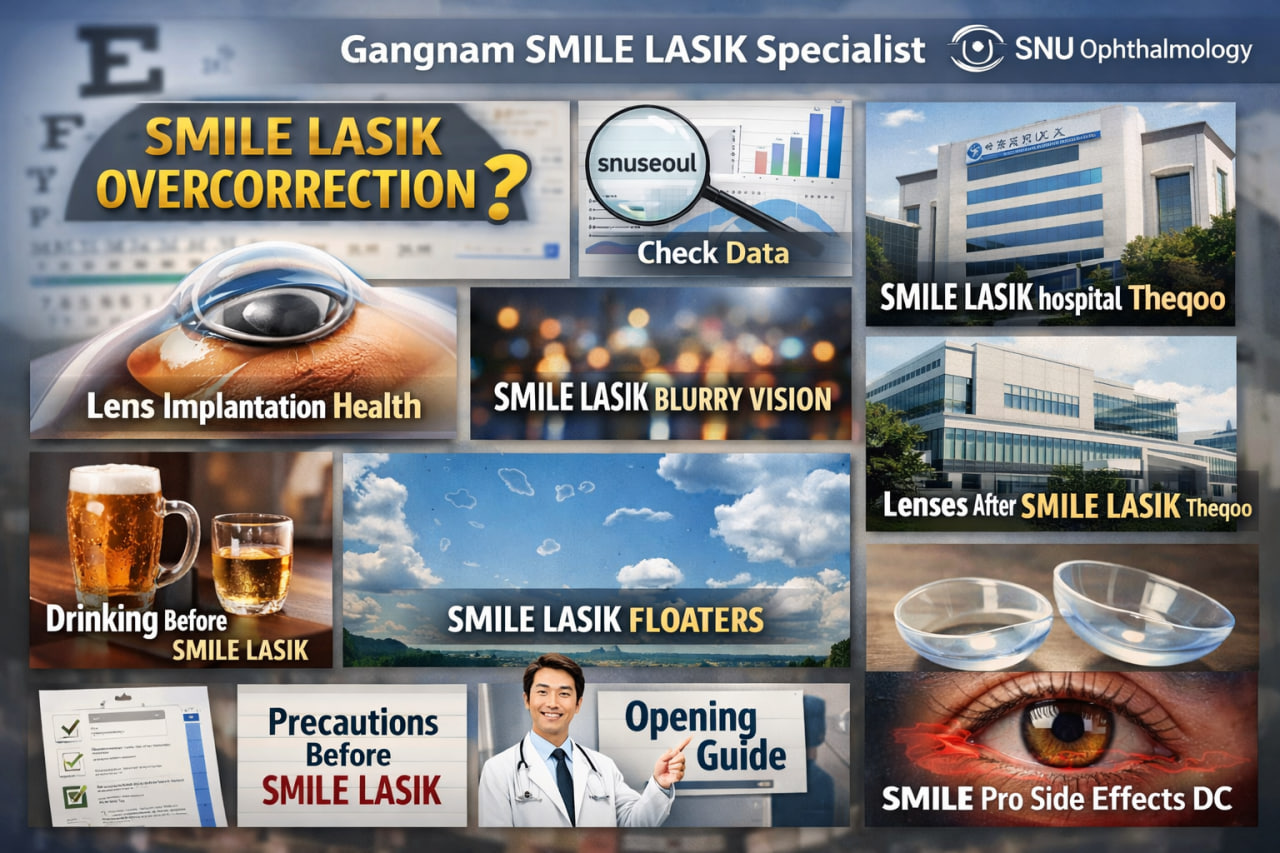
Modern refractive surgery has transformed the way people correct vision problems such as myopia and astigmatism. Among the most advanced procedures today is SMILE LASIK, a minimally invasive technique designed to reshape the cornea while preserving more of the eye’s natural structure. However, successful outcomes depend not only on surgical precision but also on proper preparation before the procedure. Many patients who research procedures online often encounter concerns about 스마일라식 뿌연 증상, which refers to blurry or hazy vision after surgery. According to specialists at SNU Ophthalmology in Gangnam, understanding the right precautions before SMILE LASIK can significantly reduce the chances of postoperative complications and help patients achieve clearer results.
Understanding SMILE LASIK And Why Preparation Matters
SMILE LASIK is a laser-based procedure that corrects refractive errors by creating a small lenticule inside the cornea and removing it through a tiny incision. Because the surgery does not require creating a large corneal flap, recovery tends to be faster and the risk of dry eye is lower compared to traditional LASIK. Still, preparation before surgery plays a crucial role in preventing complications such as temporary haze or the condition often described online as 스마일라식 뿌연 증상.
SNU안과 specialists explain that the cornea must be in optimal condition before surgery. This includes stable vision, healthy tear film, and absence of eye inflammation. Many patients researching online communities such as 스마일라식 병원 더쿠 often discover that preparation is as important as the surgical technique itself. Proper evaluation ensures the laser treatment is calibrated accurately, which reduces the risk of overcorrection or undercorrection, sometimes discussed as 스마일라식 과교정.
Essential Preoperative Eye Examinations
Before undergoing SMILE LASIK, patients must undergo a comprehensive diagnostic process. This includes corneal thickness measurement, mapping of the corneal surface, tear film analysis, and retinal examination. These tests help ophthalmologists identify whether the patient is a suitable candidate.
Experts at 에스앤유안과 emphasize that advanced imaging allows surgeons to predict how the cornea will respond to laser reshaping. If the cornea is too thin or irregular, alternative procedures such as 렌즈삽입술 헬스 approaches, commonly known as lens implantation surgery, may be recommended instead.
Many patients seeking information online through phrases like help check see or 자료 자료 확인 are essentially trying to understand whether their eyes are eligible for surgery. A professional consultation ensures accurate guidance rather than relying solely on online forums.
Lifestyle Restrictions Before SMILE LASIK
One of the most frequently asked questions among patients involves daily habits before surgery. Alcohol consumption, smoking, and contact lens use can influence surgical outcomes. Doctors warn that 스마일라식 전 음주, meaning drinking alcohol before surgery, should be avoided at least 24–48 hours prior to the procedure because alcohol can affect tear stability and increase eye dryness.
Similarly, patients who wear contact lenses must stop wearing them several days or weeks before their examination. Contact lenses temporarily change the shape of the cornea, which can lead to inaccurate measurements. When accurate data is unavailable, surgeons cannot properly customize the laser treatment.
Another topic commonly discussed in online communities is 스마일라식 전 주의사항, which refers to the precautions patients must follow before surgery. These include avoiding eye makeup on the day of surgery, getting sufficient sleep, and maintaining proper hydration to support healthy tear production.
Understanding Possible Visual Symptoms After Surgery
Even when surgery is performed perfectly, temporary visual symptoms may occur during the healing process. Patients sometimes report floaters, described in Korean forums as 스마일라식 비문증, or mild hazy vision during the early recovery period. These symptoms are typically temporary and improve as the cornea stabilizes.
The key concern many patients worry about is blurry vision caused by inflammation or corneal swelling. According to SNU Ophthalmology specialists, proper preoperative care dramatically lowers this risk. When patients follow recommended precautions, the cornea heals smoothly and vision clarity improves steadily.
Some online discussions also mention concerns about using contact lenses after surgery, often described as 스마일라식 후 렌즈 더쿠. In reality, most patients no longer need contact lenses after successful surgery because the refractive error has already been corrected.
Age Requirements And Candidate Eligibility
Another important consideration is the appropriate age for surgery. Many individuals search for information regarding 스마일라식 나이제한, which refers to the age limitation for SMILE LASIK. Ophthalmologists generally recommend that patients be at least 18 to 20 years old with stable vision for at least one year.
Younger patients may still experience changes in vision, and performing surgery too early can result in incomplete correction. Conversely, older patients may require different procedures if age-related vision changes such as presbyopia have already developed.
Specialists at SNU Ophthalmology evaluate every patient individually to determine whether SMILE LASIK or another refractive procedure will deliver the best long-term results.
The Importance Of Choosing A Qualified SMILE LASIK Clinic
Choosing the right clinic is one of the most critical factors in achieving safe and successful results. Patients frequently search online for trusted surgical centers, especially in areas known for advanced ophthalmology such as Gangnam. Reliable clinics combine modern diagnostic technology with experienced surgeons who understand corneal biomechanics.
The clinic at snuseoul.com provides detailed guidance about SMILE LASIK preparation, recovery expectations, and possible alternatives such as lens implantation surgery. Experienced surgeons also monitor patients throughout the healing process to ensure the cornea stabilizes correctly and visual clarity improves as expected.
Following Expert Guidance For The Best Surgical Results
Preventing postoperative issues such as blurry vision begins long before the laser treatment itself. From avoiding alcohol and contact lenses to completing detailed eye examinations, every precaution helps prepare the eye for successful surgery.
Many patients who research online resources such as next help full, doc page, or guide extra go are searching for reliable explanations about what to expect before surgery. However, professional evaluation remains the most important step.
By following the recommendations of experienced ophthalmologists and understanding the essential 스마일라식 주의사항, patients can significantly improve their chances of achieving sharp and stable vision after SMILE LASIK.













Leave a Reply